
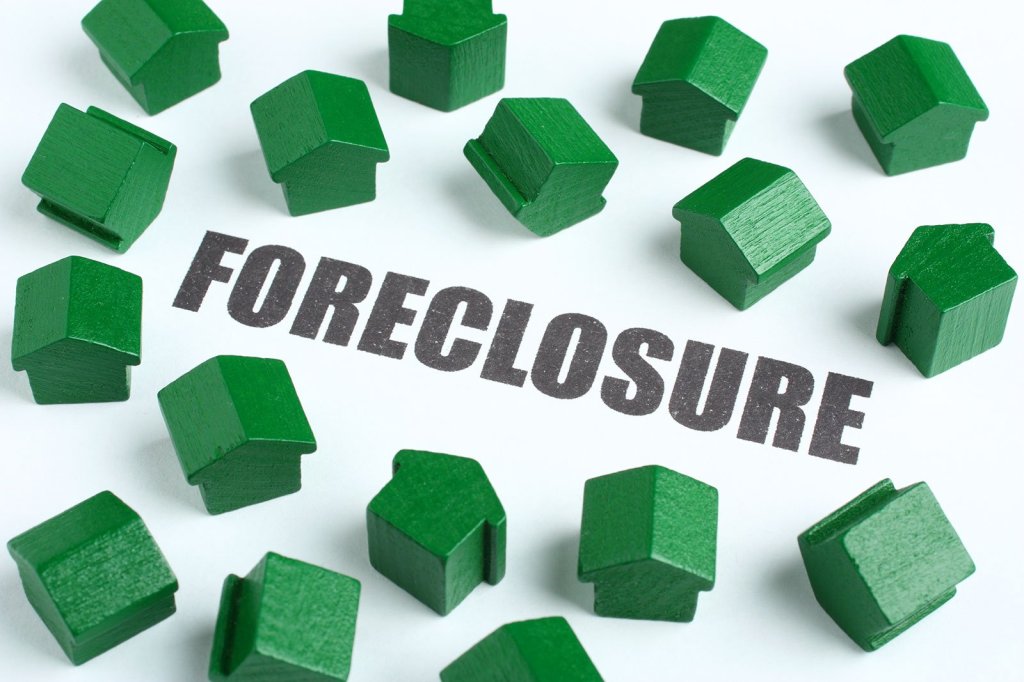
What Happens if You Default on Your Mortgage?
Defaulting on a mortgage occurs when a borrower fails to make mortgage payments according to the terms of the loan agreement. Default can happen for a variety of reasons, including job loss, medical emergencies, or other financial difficulties. It’s important to note that default doesn’t always happen immediately after missing a single payment, but if the missed payments aren’t addressed, the lender will eventually take action to recover the loan.
When a homeowner defaults, it may not immediately lead to foreclosure, but it sets off a process that can ultimately result in the loss of the home if the situation isn’t remedied. Lenders generally prefer to avoid foreclosure because it’s costly and time-consuming. They will often attempt to work with the borrower to come to a resolution before things escalate.
Foreclosure Process
If defaulting continues and the borrower doesn’t make arrangements to catch up on payments or resolve the issue with the lender, foreclosure may occur. Foreclosure is a legal process where the lender seeks to sell the property to recover the loan balance. Here’s a breakdown of the key stages of foreclosure:
- Notice of Default
After a borrower misses several mortgage payments, the lender will issue a “Notice of Default” (NOD). This notice serves as a warning that foreclosure proceedings may begin if the borrower doesn’t catch up on payments or reach an agreement with the lender. The borrower is typically given a specific period to either pay off the arrears or negotiate a repayment plan. - Pre-Foreclosure
Once the Notice of Default is issued, the homeowner enters the pre-foreclosure stage. This is the period where the borrower can still take action to prevent foreclosure. Options available during this phase might include:- Repayment Plan: The lender may allow the borrower to catch up on missed payments over time.
- Loan Modification: A modification of the loan terms, such as extending the repayment period or reducing the interest rate, could be an option.
- Forbearance Agreement: The lender may offer a temporary break or reduction in payments to help the borrower manage their finances.
- Auction
If no resolution is reached, the lender can initiate a public auction to sell the property. The goal of the auction is to recover the outstanding balance of the mortgage. In some cases, the lender may sell the property for less than the amount owed. The homeowner is typically given the right to live in the home until it is sold at auction, but they lose ownership once the property is transferred to a new buyer.If the home sells at auction, the proceeds are used to pay off the remaining mortgage debt. If the sale doesn’t cover the full amount owed, the borrower may be responsible for the deficiency, depending on local laws.
How to Avoid Foreclosure
While foreclosure is a serious situation, there are steps homeowners can take to avoid losing their home. The key to avoiding foreclosure is taking action early when difficulties arise. Here’s what you can do:
- Stay in Communication with Your Lender
One of the most important steps is to keep the lines of communication open with your lender. If you anticipate financial trouble, reach out to them before you miss a payment. Lenders may offer a variety of options to help, such as:- Loan Modification: This could involve extending the loan term, reducing the interest rate, or restructuring the loan to make payments more manageable.
- Forbearance: Lenders may grant temporary relief by allowing you to pause payments or reduce them for a specified period, typically if you’re facing a temporary financial hardship.
- Repayment Plan: This allows you to catch up on missed payments over an agreed-upon period, with or without altering the original loan terms.
- Seek Professional Help
Sometimes it can be difficult to navigate the complexities of foreclosure and mortgage default alone. Mortgage counselors and foreclosure attorneys can offer valuable assistance in these situations. Mortgage counselors are trained to work with homeowners and lenders to find solutions that avoid foreclosure, such as negotiating loan modifications or understanding government programs designed to help distressed homeowners.A foreclosure attorney can help protect your rights, advise you on state laws, and represent you during legal proceedings. They can also help negotiate with lenders to possibly reduce your debt or delay the foreclosure process. - Explore Government Assistance Programs
There are several government programs designed to help homeowners avoid foreclosure, especially during economic downturns or national emergencies. Some common options include:- Home Affordable Modification Program (HAMP): This federal program provides assistance to homeowners who are struggling to pay their mortgages by modifying loan terms and reducing monthly payments.
- Home Affordable Refinance Program (HARP): For homeowners whose homes have lost value, this program helps them refinance their mortgages into more affordable ones, even if they owe more than the property is worth.
- Consider Selling the Home
If you’re unable to reach a resolution with your lender and feel that keeping the home isn’t feasible, selling the property might be a good option. This can allow you to pay off your mortgage and avoid foreclosure. In some cases, lenders may even agree to a “short sale,” where the home is sold for less than the mortgage balance, as long as the lender agrees to forgive the remaining debt. - Bankruptcy
As a last resort, some homeowners consider filing for bankruptcy. While this will not eliminate your mortgage debt, it can stop foreclosure temporarily by putting a halt to creditor actions. Chapter 13 bankruptcy, in particular, allows you to reorganize your debts and catch up on your mortgage payments over time, under the court’s supervision.
Conclusion
Mortgage default and foreclosure can be overwhelming, but taking the right steps early on can make a significant difference in preventing the loss of your home. The key is to stay proactive and communicate with your lender as soon as you recognize financial difficulties. There are options available, including repayment plans, loan modifications, and government assistance, that can help keep you in your home.
Additionally, if you’re struggling to navigate the foreclosure process, professional help from mortgage counselors or foreclosure attorneys can be invaluable. Ultimately, the sooner you seek help and explore your options, the better the chances are of avoiding foreclosure and finding a solution that works for you.
 The Mortgage Path With Damian
Leave a comment